Assembly Passes Bill to Ban Plastic Book Covers
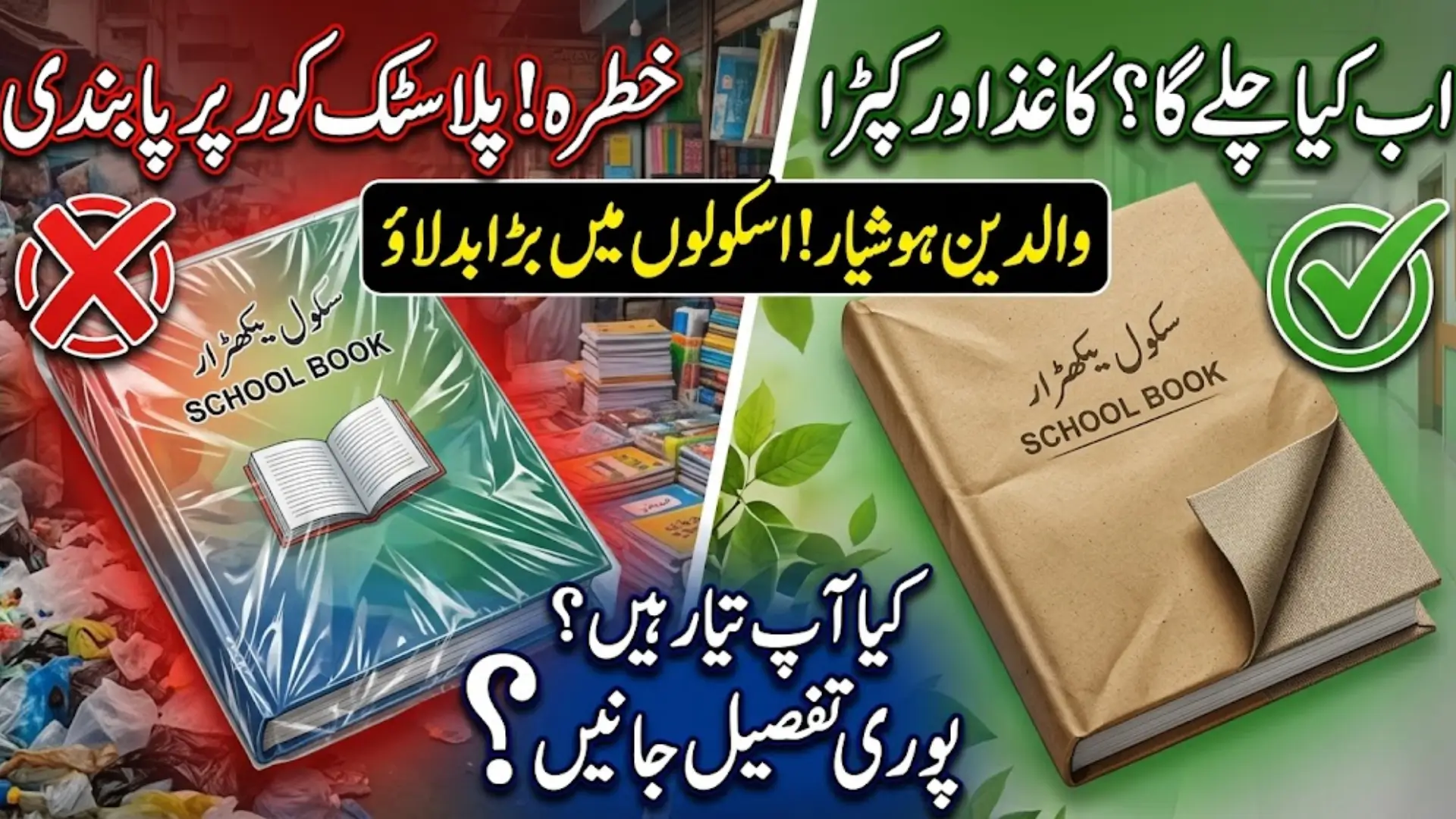
A major environmental decision has been taken in Pakistan that could change how school books are covered across the country’s capital. Lawmakers in Islamabad have approved a bill banning the use of plastic covers for books in educational institutions.
At first glance, it may sound like a small change. But the impact could be much wider than expected. Schools, parents, and stationery markets may all feel the shift in the coming months.
The decision reflects growing concern over plastic waste and its long-term environmental damage in Pakistan.
You Can Also Read: 8171 CNIC Check Online 13500 May Payment Eligible Or Not And Payment Released Or Not
Quick Answer
The plastic book cover ban in Pakistan is a new law passed for Islamabad that discourages the use of plastic covers on school books. It aims to reduce pollution and promote eco-friendly alternatives such as paper, cloth, and biodegradable materials in educational institutions.
Quick Info Table
| Detail | Information |
|---|---|
| Law Name | Plastic Book Cover Ban Bill |
| Location | Islamabad, Pakistan |
| Approved By | National Assembly of Pakistan |
| Main Goal | Reduce environmental pollution |
| Target | Schools and educational institutions |
| Alternatives | Paper, cloth, biodegradable materials |
| Plastic Waste in Pakistan | Around 3.9 million tonnes annually |
What is the Plastic Book Cover Ban in Pakistan?
The new legislation focuses on stopping schools in Islamabad from wrapping textbooks in plastic covers. Instead, institutions are encouraged to use environmentally friendly materials.
The bill highlights that plastic book covers are not as harmless as commonly believed. While many consider them useful for protecting books, officials argue that they contribute significantly to environmental pollution.
The law also reflects a broader policy shift toward reducing single-use plastic consumption in Pakistan.
You Can Also Read: CM Punjab Bike Scheme 2026 Online Registration
Why Has This Ban Been Introduced?
The decision is part of efforts to address Pakistan’s growing plastic waste problem.
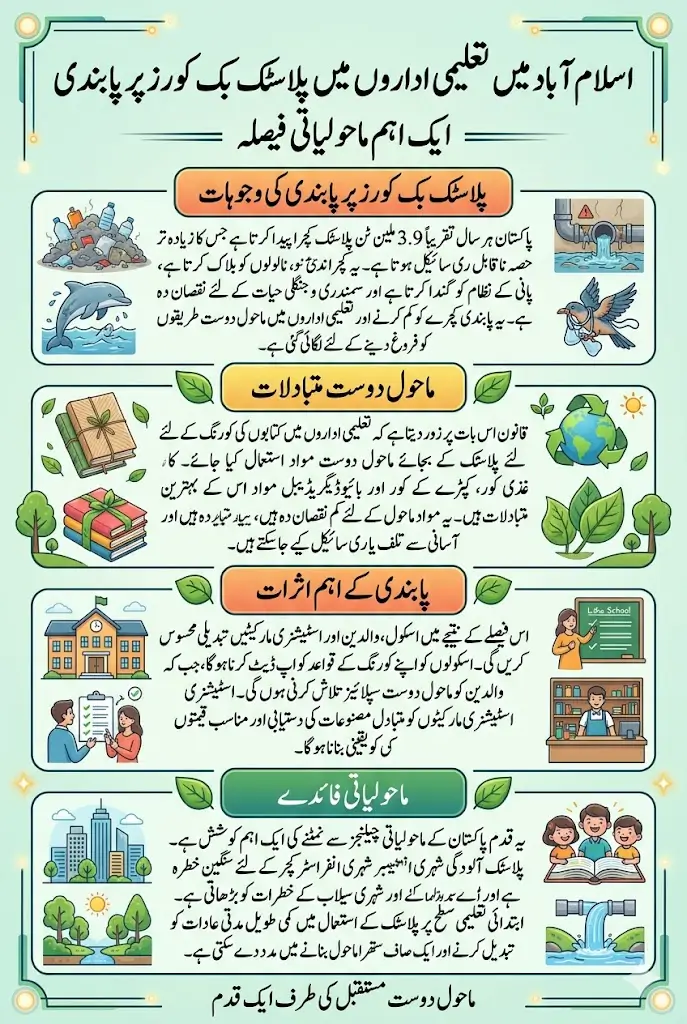
According to official data, Pakistan generates approximately 3.9 million tonnes of plastic waste every year, much of which is not recyclable.
Key concerns include:
- Plastic waste ending up in water systems
- Harm to marine life and wildlife
- Blockages in drainage and sewage systems
- Long-term soil and environmental damage
The government believes reducing plastic usage at the school level can help change long-term habits.
What Does the Law Say for Schools?
The bill specifically targets educational institutions in Islamabad.
Schools are expected to:
- Avoid plastic wrapping on textbooks
- Shift to eco-friendly cover materials
- Encourage sustainable practices among students
- Reduce dependency on single-use plastic items
This means stationery suppliers and school administrators may need to adjust quickly.
One key question remains: will eco-friendly alternatives be affordable and widely available in the market?
You Can Also Read: Apna Khet Apna Rozgar Scheme Online Apply and Get Agricultural land
Alternatives to Plastic Book Covers
The law encourages the use of safer materials such as:
- Paper-based book covers
- Cloth covers
- Biodegradable wrapping materials
These alternatives are considered less harmful to the environment and easier to recycle or dispose of safely.
However, availability and cost may vary depending on supply chains in different parts of the city.
Link to Broader Plastic Bans in Pakistan
This move in Islamabad is not happening in isolation.
The Sindh government has already enforced a province-wide ban on plastic bags, including strict measures in Karachi. The decision includes penalties for violations, including fines and possible legal action.
Authorities have repeatedly warned that plastic pollution is becoming a serious urban challenge across Pakistan.
You Can Also Read: Parwaaz Card Apply Online 2026 – Eligibility Requirements and Application Process
Environmental Impact: Why This Matters
Plastic pollution is one of the most persistent environmental issues in the country.
Major concerns include:
- Blocked drainage systems during rainy seasons
- Increasing urban flooding risks
- Harm to aquatic ecosystems
- Microplastic contamination in soil and water
What makes plastic book covers relevant is their widespread and repeated use in schools every year. Even small changes in habits can add up over time.
Will This Change Student Life in Pakistan?
If implemented effectively, students and parents in Islamabad may notice:
- Changes in school supply lists
- Shift in stationery market demand
- Possible rise in eco-friendly product prices initially
- Increased awareness about environmental responsibility
However, implementation will be the key challenge. Policies often look strong on paper, but real change depends on enforcement and public adoption.
Government’s Broader Environmental Direction
The National Assembly of Pakistan has been actively considering multiple environmental protection measures in recent years.
The plastic book cover ban aligns with a broader push to:
- Reduce single-use plastics
- Improve waste management systems
- Encourage sustainable consumption habits
- Protect urban infrastructure from waste damage
Environmental experts have long argued that early education-level interventions can influence long-term behavior.
You Can Also Read: Imam Masjid Wazifa Check Online Status 25,000 Step By Step Method
FAQs
1. What is the plastic book cover ban in Pakistan?
It is a law passed for Islamabad that discourages the use of plastic covers on school books to reduce environmental pollution.
2. Where will this ban apply?
The ban currently applies to educational institutions in Islamabad.
3. Why are plastic book covers being banned?
They contribute to environmental pollution and are often not recyclable, adding to Pakistan’s growing waste problem.
4. What materials can replace plastic covers?
Paper, cloth, and biodegradable materials are recommended alternatives.
5. Is this ban permanent across Pakistan?
Right now, it is focused on Islamabad, but other provinces may introduce similar measures in the future.
6. How much plastic waste does Pakistan produce?
Pakistan generates around 3.9 million tonnes of plastic waste every year.
7. Will this affect school expenses?
There may be a short-term impact depending on the availability and cost of eco-friendly alternatives.
You Can Also Read: How to Apply for Wazir-e-Azam Apna Ghar Program 2026 To Get 10 Million Loan (Complete Guide)
Conclusion
The plastic book cover ban in Pakistan marks another step in the country’s attempt to address its growing environmental challenges. While the policy may seem simple, its success will depend on how well schools, parents, and markets adapt to it.
If implemented properly, it could slowly shift everyday habits in classrooms and reduce unnecessary plastic use in the long run. The real test now lies in enforcement and public acceptance.